
by: seeker of truth
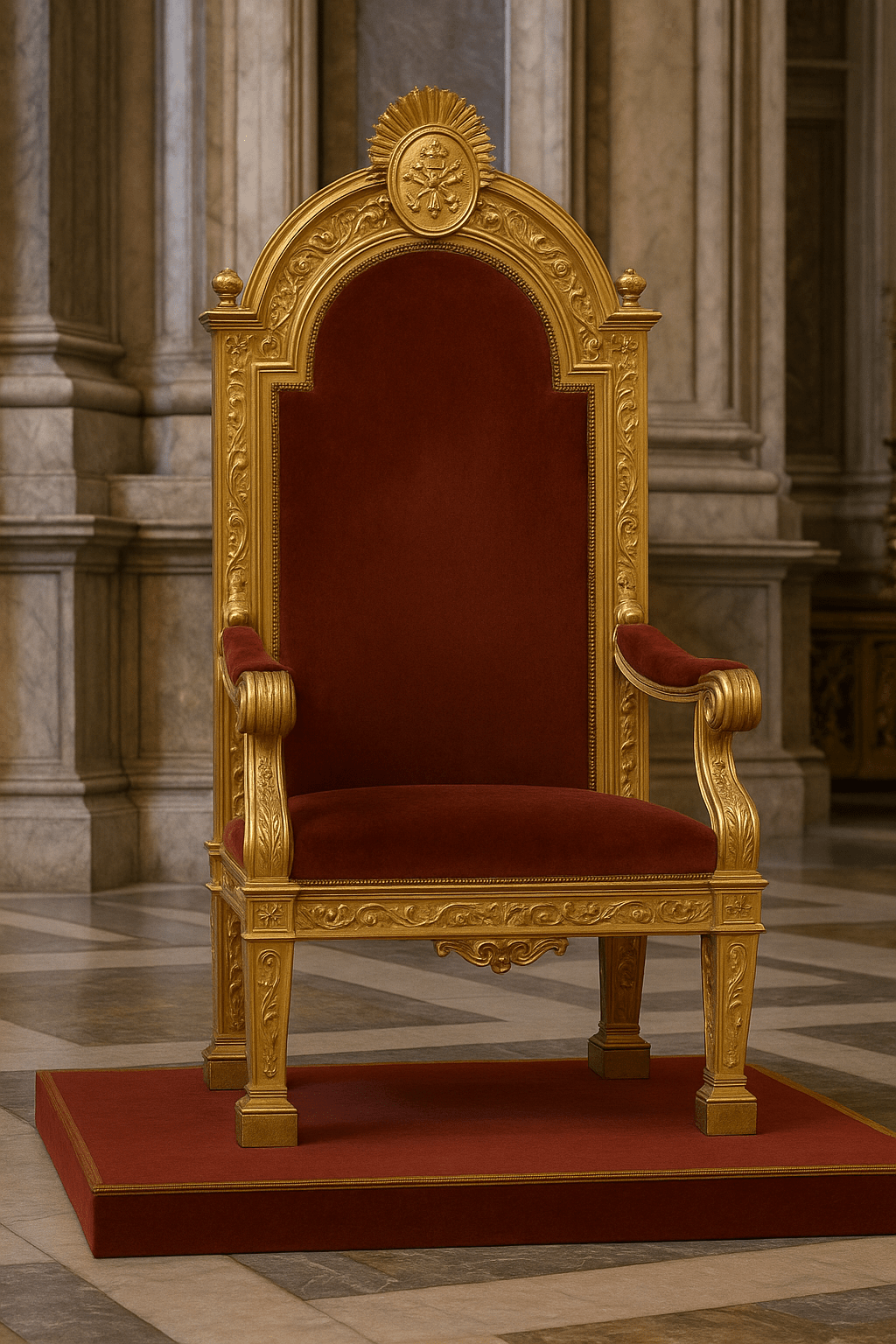
With the death of Pope Francis at the age of 88, the Roman Catholic Church is entering a pivotal moment in its long history. Over the coming weeks, 135 cardinal electors under the age of 80 will convene in the Sistine Chapel to choose a new pontiff through a secretive conclave. As speculation builds, observers around the world are watching to see whether the next pope will continue Francis’ legacy or chart a new course.
The Process of Papal Succession
Following centuries-old tradition, the College of Cardinals will meet in general congregations before being sequestered in conclave. There, through multiple rounds of voting, they will elect the 267th pope. A candidate must secure a two-thirds majority, and once elected, he will choose a papal name and deliver his first blessing from the balcony of St. Peter’s Basilica. The process, steeped in ritual and secrecy, has rarely been more globally representative or unpredictable.
The Most Diverse Conclave in History
Pope Francis appointed over 80% of the current voting cardinals, many from countries that had never before had representation in the College. As a result, this conclave includes members from more than 90 nations. Less than half of the cardinal electors are European, a dramatic shift from previous centuries. This diversity reflects the Church’s growing presence in Africa, Asia, and Latin America, and will influence both the priorities and outcome of the conclave.
Key Contenders (with Quotes)
Among the frontrunners are cardinals representing a range of theological and geographic backgrounds:
- Cardinal Pietro Parolin (Italy): Vatican Secretary of State, known for his diplomacy and moderation. Considered a continuity candidate, though critics cite his role in controversial Vatican-China agreements. “The Church must be a bridge, not a wall,” Parolin said recently when asked about his approach to international diplomacy.
- Cardinal Luis Antonio Tagle (Philippines): Dubbed the “Asian Francis” for his compassion, missionary spirit, and pastoral leadership. A strong continuity candidate, but questions remain about his managerial experience. “We must bring the joy of the Gospel to the margins of society,” he has emphasized.
- Cardinal Fridolin Ambongo (Congo): A conservative from Africa known for social justice advocacy and strong moral teachings. Represents the fastest-growing region of Catholicism. “The Church must speak for the voiceless and stand firm in the face of injustice,” Ambongo declared in a recent pastoral letter.
- Cardinal Mario Grech (Malta): Leader of the Church’s synod office and architect of Francis’ efforts to make the Church more inclusive and consultative. “A synodal Church listens before it speaks,” he told Vatican Radio.
- Cardinal Pierbattista Pizzaballa (Jerusalem): Latin Patriarch of Jerusalem, respected for his experience in the Middle East and peace diplomacy. “Our mission is to be peacemakers in a divided land,” he said during Easter celebrations in the Holy Land.
- Cardinal Peter Erdo (Hungary): A conservative voice with deep theological roots and close ties to traditional Catholic values. “Doctrine is not a burden—it is our foundation,” he has said in past homilies.
- Cardinal Robert Prevost (USA): Head of the Vatican office responsible for bishop appointments; known for administrative skill but lacks charisma. “Good governance is quiet but transformative,” he once remarked.
- Cardinal Peter Turkson (Ghana): Long viewed as papabile, respected for his global view and moderate conservatism. “The Gospel demands that we care not only for souls but for the planet,” Turkson stated in a climate encyclical discussion.
A Church at a Crossroads
The next pope will inherit a Church grappling with declining membership in the West, sexual abuse scandals, and internal division over issues like LGBTQ+ inclusion, migration, and the role of women. Francis’ emphasis on pastoral care, environmental stewardship, and synodality marked a shift from doctrinal rigidity. The next pontiff will either build on this trajectory or pivot toward traditionalism.
Historic Stakes
This conclave may elect the first pope from Africa in over a millennium or from Asia in history. The cardinals face not only a theological decision, but a symbolic one about what the Church represents in a modern, globalized world. As white smoke rises above the Sistine Chapel in the coming weeks, the world will witness a turning point in the spiritual and political life of 1.4 billion Catholics.
The Church’s future may hinge on whether the next leader is a reformer, a traditionalist, a diplomat, or a shepherd. One thing is certain: the decision made behind closed doors in the heart of the Vatican will ripple across the globe for generations to come.
Timeline of Recent Papal Elections
| Year | Pope Elected | Key Context |
|---|---|---|
| 1978 | John Paul II | First non-Italian pope in 455 years |
| 2005 | Benedict XVI | Followed John Paul II’s long papacy |
| 2013 | Francis | First Jesuit, first Latin American pope |
| 2025 | TBD | Most diverse conclave in Church history |
Predictions and Public Sentiment
As the conclave approaches, several cardinals are emerging as leading contenders:
- Cardinal Luis Antonio Tagle (Philippines): Often referred to as the “Asian Francis,” Tagle is favored by many for his progressive views and alignment with Pope Francis’s vision. Betting markets and AI analyses have identified him as a top candidate.
- Cardinal Pietro Parolin (Italy): The Vatican’s Secretary of State, Parolin is seen as a moderate and experienced diplomat. He is considered a strong contender by both experts and betting markets.
- Cardinal Peter Turkson (Ghana): Representing the growing African Catholic community, Turkson is noted for his advocacy on social justice and environmental issues. His election would mark a historic first for Africa.
- Cardinal Matteo Zuppi (Italy): Known for his pastoral approach and involvement in peace initiatives, Zuppi is gaining attention as a progressive candidate.
- Cardinal Robert Sarah (Guinea): A conservative figure, Sarah is recognized for his traditionalist views and has been mentioned as a potential candidate by various media outlets.
While these predictions offer insight into potential outcomes, the conclave remains a secretive process, and surprises are always possible.
 Seeking Truth
Leave a comment